On this page
Aeration is usually the better choice for treating radon in well water at moderate to high levels. It removes up to 99.9% of radon and does not build up radioactivity in the unit. A granular activated carbon (GAC) filter costs less and can work for low levels, but radioactivity collects in the carbon and the media needs replacing every year or two.
How aeration works
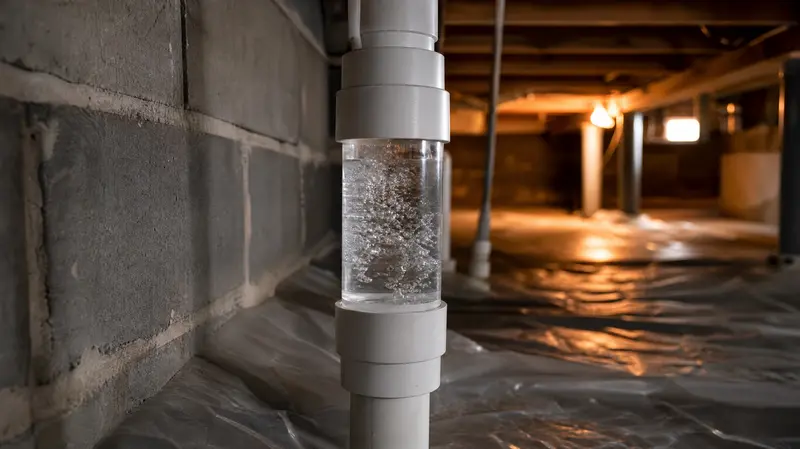
An aeration system strips radon out of the water by mixing it with air. Radon is a gas, so once the water is agitated, it comes out of solution. A fan then pushes the radon-laden air out through a vent pipe that discharges outside the home.
There are a few common designs:
- Spray aeration. Water is sprayed into a tank so radon escapes from the fine droplets.
- Bubble (diffused) aeration. Air is bubbled up through a tank of water.
- Tray or packed tower aeration. Water flows over trays or packing material while air moves through it.
After treatment, a pump repressurizes the water and sends it to your plumbing. Penn State Extension describes aeration as the best available technology for removing radon from water, with removal rates up to 99.9%.
How GAC carbon filters work
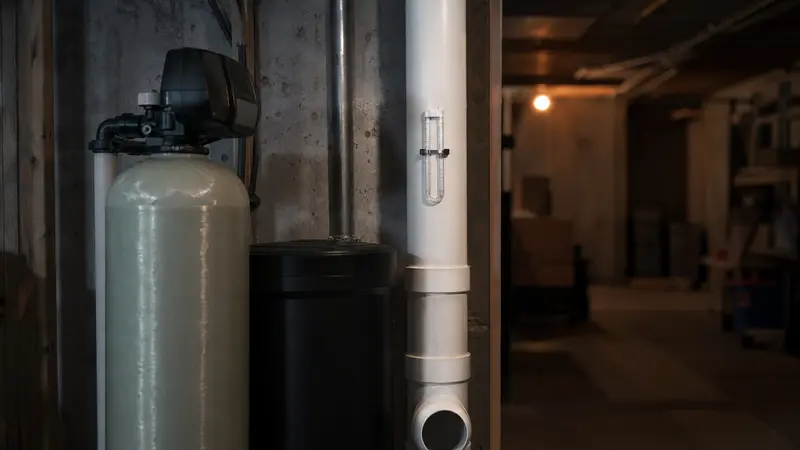
A GAC system is a tank filled with granular activated carbon, installed where water enters the house. As water flows through, radon sticks to the carbon. The radon then decays inside the tank.
GAC is simple. There is no fan, no vent and no second pump. That makes it smaller, quieter and cheaper to install. But it has limits:
- Radioactive buildup. As radon decays in the carbon, its decay products build up. The tank can give off gamma radiation, so it should not sit near bedrooms or play areas, and some installers add shielding.
- Lower capacity. Removal drops as radon levels rise. Penn State Extension says GAC should only be used on supplies below about 30,000 pCi/L, and many installers prefer aeration well below that.
- Media disposal. Used carbon can hold radioactive material and may need special handling when it is replaced. PA DEP's fact sheet notes replacement every one to two years.
Side-by-side comparison
| Factor | Aeration | GAC carbon filter |
|---|---|---|
| Removal rate | Up to 99.9% | High at low levels, falls as levels rise |
| Best radon range | Moderate to very high | Low |
| Radioactive buildup | No | Yes, in the carbon |
| Needs a vent outside | Yes | No |
| Needs electricity | Yes (fan and pump) | No |
| Footprint | Larger | Compact |
| Upkeep | Clean tank, check fan and pump | Replace carbon every 1 to 2 years |
| Published cost range | About $3,000 to $5,000 installed (Penn State Extension) | About $1,000 to $1,500 (PA DEP fact sheet) |
The cost ranges above come from older published guides, so current prices may be higher. Your actual price depends on your water use, plumbing and water chemistry.
Which is better for your home?
Start with your test results. The right system depends on how much radon is in your water and how much risk you are trying to remove.
Choose aeration if:
- Your water result is in the thousands of pCi/L or higher.
- You want the highest removal and no radioactive media in your basement.
- You have room for the unit and a path for a vent pipe.
GAC may work if:
- Your water result is low.
- Space is tight and you want a simpler system.
- You can place the tank away from living areas and plan for media replacement.
Remember why you are treating in the first place. Most of the risk from radon in water comes from breathing radon that escapes into the air, not from drinking it. Our guide on is radon in water dangerous explains how that exposure works.
Things that affect either system
- Iron, manganese and hardness. These can foul aeration tanks and clog carbon beds. Pretreatment may be needed.
- Water flow. The system must keep up with your peak water use, such as a shower and a washing machine running at once.
- Well pump and pressure tank. Aeration adds a repressurization pump, so your existing setup matters.
- Indoor air radon. Neither system lowers radon coming from soil under your foundation. If your air test is high, you may need an air mitigation system as well.
York County notes
York County is in EPA Radon Zone 1, and Pennsylvania well studies cited by Penn State Extension show high water radon is common. Many rural York County homes on wells also have high air radon from the same geology. That makes it worth reviewing both results before choosing water equipment. You can read general guidance at the EPA radon page.
Key takeaways
- Aeration removes up to 99.9% of radon and leaves no radioactive media behind.
- GAC is cheaper and smaller but fits low levels only, and radioactivity builds up in the carbon.
- Both treat water where it enters the home.
- Choose based on your water result, your air result and your space.
Frequently Asked Questions
Can I use a carbon filter under my kitchen sink for radon?
That only treats water from one tap. Most radon exposure comes from showers, laundry and other uses throughout the house, so whole-house treatment is the standard approach.
Does an aeration system make noise?
It has a fan and a pump, so you will hear some running sound. Placement in a basement or utility room usually keeps it out of the way.
How long does a GAC tank last?
PA DEP's fact sheet suggests replacing the carbon every one to two years. Higher radon or heavy water use may shorten that.
Choose the right system with a local team
Want a recommendation based on your actual results? Call (717) 356-3035 any time for a same-day callback and a free written quote.