Skip to content
Radon Mitigation York PA logo

DEP-Certified Installers · York, PA

Radon Mitigation in York, PA

Radon Mitigation York PA installs radon reduction systems for homes in York and the surrounding York County area, and nowhere else. If your radon test came back at or above 4.0 pCi/L, we can lower it. Our DEP-Certified Installers give you a free written quote, finish most installs in one day, and back the work with a written clearance guarantee.

Call (717) 356-3035 any time. We are open 24 hours and give a same-day callback. Most standard systems are priced at $935 to $1,320, and your written quote sets the exact number before any work starts.

DEP-Certified Installers. PA DEP certification number provided on every written quote.

EPA action level

4.0 pCi/L

At or above this, the EPA recommends fixing your home.

Free quote · Open 24 hours

Request a free written quote

Tell us about your home and we will call you back the same day. Or call (717) 356-3035.

Is radon a problem in York?

Yes. The U.S. Environmental Protection Agency places York County in Radon Zone 1, the group of counties with the highest predicted indoor radon levels. You can see the zone map on the EPA radon zones page.

Local test results back that up. PA DEP test records for York County show about 56% of basement tests at or above the EPA action level of 4.0 pCi/L. Statewide, PA DEP reports that about 40% of homes tested are above 4.0 pCi/L.

Radon is a colorless, odorless radioactive gas. It forms as uranium breaks down in soil and rock, then seeps into houses through the foundation. There are no symptoms, so a test is the only way to know your level. The EPA estimates radon causes about 21,000 lung cancer deaths a year in the U.S., and it is the leading cause of lung cancer among people who have never smoked. Our ZIP-code breakdown of local test results is covered in the FAQ below.

York County basement tests ≥ 4.0
56%
EPA radon zone
Zone 1
US lung cancer deaths / yr
21,000
PA homes tested above 4.0
~40%

Sources: PA DEP radon test records for York County (data.pa.gov) and the U.S. EPA.
How it works: 4 steps

  1. 01 · Call

    Call. Tell us your test result, your foundation type and any closing date. We call back the same day.

  2. 02 · Design

    Free on-site look and written quote. We check the slab, walls, sump and pipe routes, then give you a written price before any work starts.

  3. 03 · Install

    One-day install. Most homes are done in a single day: suction point, piping, fan, sealing, gauge and label.

  4. 04 · Verify

    Clearance test and guarantee. After the system has run at least 24 hours, and within 30 days, a follow-up test confirms the result. If it is not below 4.0 pCi/L, we keep working at no charge.

Fig. 01 · Soil gas pathwayAbove action level
House cross-section showing how radon enters and how a mitigation system removes itRadon gas rises from the soil, through the basement slab and into the rooms. A sub-slab depressurization system pulls the gas from under the slab through a sealed pipe and a fan on the outside wall, and vents it above the roofline.Soil and rock · uranium decay → radon2nd floor1st floorBasementFanGaugeVents above roof

Our radon services in York

Every service below is done by DEP-certified people and starts with a free written quote.

  • Radon mitigation systems

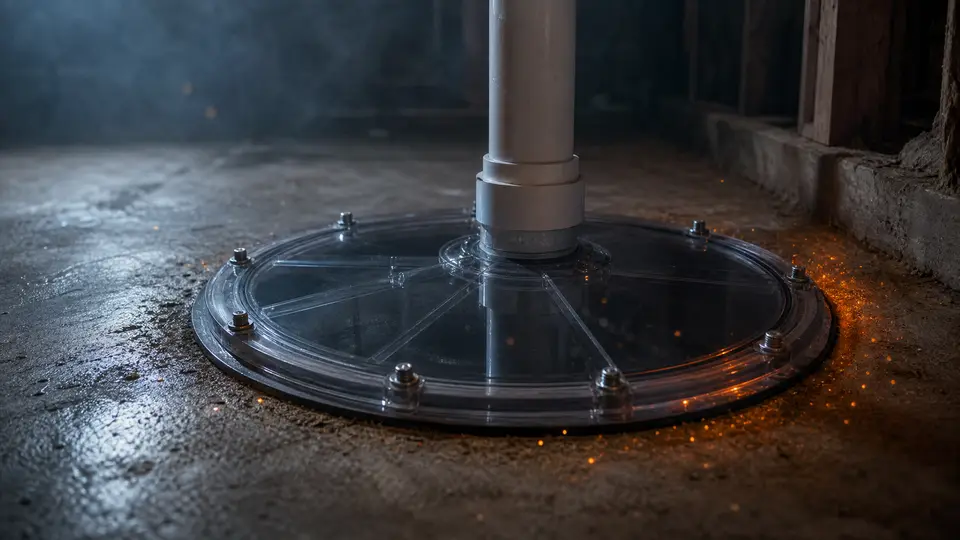
    Our core service is radon mitigation system installation using sub-slab depressurization. We core a suction point through the slab, run sealed PVC pipe to a fan outside the living space, and vent the gas above the roofline.

  • Radon testing

    Not sure of your level yet? We arrange professional radon testing in York using continuous monitors, which give hour-by-hour readings and resist tampering. It is a smart first step for buyers and for anyone whose home kit gave a borderline result.

  • Real estate radon mitigation

    Under contract with a radon contingency? We schedule installs and the follow-up test around your closing date. Details on timing are in the FAQ below.

  • Fan replacement and system repair

    Fans wear out and manometers stop moving. We service any brand of system, including ones another company installed. See the FAQ below for what we check.

  • Older homes and stone foundations

    York has many older houses with fieldstone walls, block foundations and patched floors. Our radon mitigation for older homes and stone foundations is built for those leaky, uneven basements.

  • Crawl spaces

    Homes with a dirt or gravel crawl space need a sealed membrane with suction under it. We handle crawl space radon mitigation and encapsulation for full and partial crawl spaces.

  • Sump pits

    A sump pit is an open door for soil gas. Our sump pit radon systems seal the pit with a gasketed cover and can use the drain tile as the suction path.

  • Passive pipe activation

    Many newer homes already have a capped radon pipe. Passive radon pipe activation adds a fan, a gauge and a label, which turns the passive pipe into an active system.

  • New construction

    We work with builders on radon-resistant new construction for builders, including the gravel layer, sealed slab and vent pipe that make later activation easy.

  • Commercial and multifamily

    Offices, apartments, churches and schools follow different testing and mitigation standards. We offer commercial and multifamily radon mitigation for buildings in York.

  • Radon in well water

    If your home is on a private well, radon can also come in through the water. We install radon in well water treatment using aeration or carbon systems.

  • Cost and the guarantee

    Price ranges by foundation type, and what our guarantee covers, are both answered in the FAQ below.

What types of radon problems do we fix?

Radon problems look different from house to house. Here are the ones we see most in York County homes.

Problem 01

High radon in a finished or unfinished basement

Most York houses with basements are tested there, since the lowest lived-in level usually reads highest. The EPA recommends fixing your home if the level is 4.0 pCi/L or more, and says to consider fixing it between 2 and 4 pCi/L. We design the system around how you use the space, so a finished basement keeps its look.

Problem 02

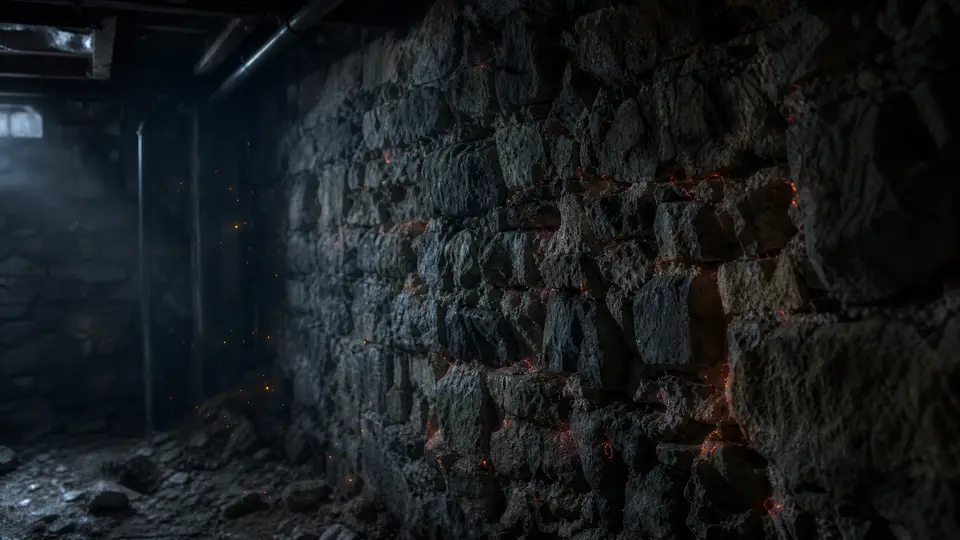
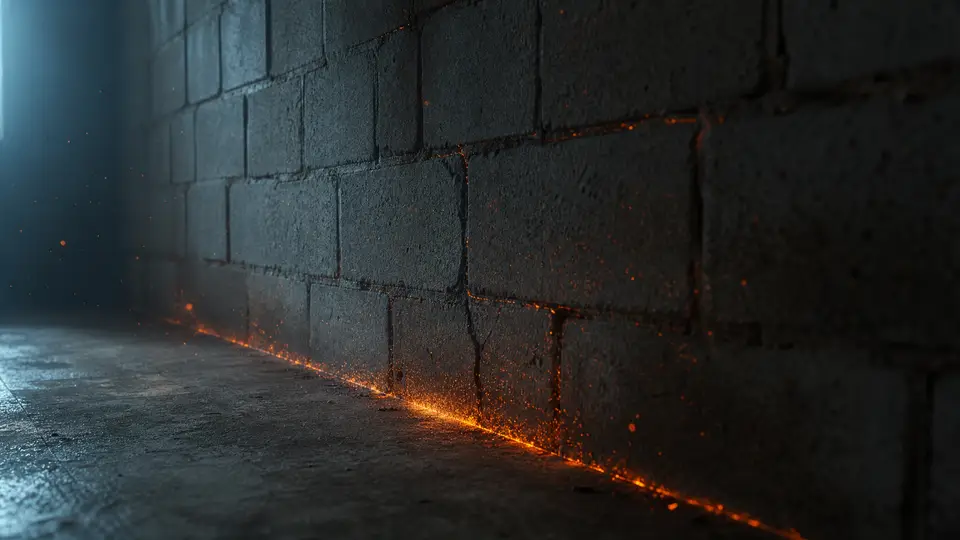
Leaky stone and block foundations

Fieldstone and hollow block walls have many gaps that let soil gas in. The PA DEP mitigation standards call for sealing major entry points like the floor-wall joint and openings around pipes using urethane caulk or a similar material. In older homes we often add a second suction point or seal block wall tops so the system can keep up.

Problem 03

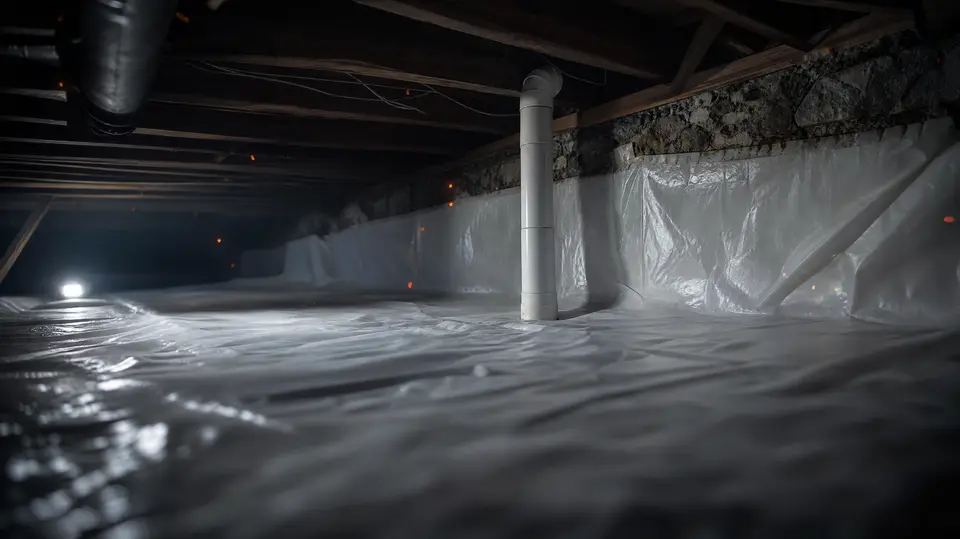
Dirt-floor basements and crawl spaces

Exposed soil has no slab to pull under, so a plastic membrane goes down first. Pennsylvania's mitigation standards call for at least 6-mil polyethylene (or 3-mil cross-laminated) with seams overlapped at least 12 inches and sealed. A fan then draws gas from under the sheet.

Problem 04

Open sump pits

An unsealed sump pit connects your basement air to the soil and drain tile. Pennsylvania's standards require sump pits that let soil gas in to be covered and sealed. We fit a clear, gasketed lid so you can still see and service the pump.

Problem 05

Failing or noisy existing systems

A radon fan runs all day, every day, so it will wear out over time. The PA DEP advises homeowners to check the U-tube manometer periodically to make sure the fan is running. If the liquid is level, or the fan rattles or hums loudly, we diagnose and replace it.

Problem 06

High radon right before a home sale

A failed inspection test can put a closing at risk. The EPA's home buyer's guide recommends fixing a home when the test result is 4.0 pCi/L or higher, the same as for any other home. We plan the install and the follow-up test so results are ready before your closing date.

Problem 07

Radon in private well water

Radon can dissolve into groundwater and escape into the air when you shower or run the tap. A common rule of thumb used by state radon programs is that about 10,000 pCi/L of radon in water adds roughly 1 pCi/L to indoor air. If your well tests high, treatment removes it at the point of entry.

What types of radon systems do we install?

The right system depends on your foundation. Many York homes need a mix of two or more of these.

System 01

Sub-slab depressurization (SSD)

This is the most common system for basements and slab homes. A fan pulls soil gas from under the slab and vents it outside. The EPA's guidance notes that some radon reduction systems can cut levels by up to 99%.

System 02

Sub-membrane depressurization (SMD)

For crawl spaces and dirt floors, we lay a sealed membrane over the soil and pull suction from beneath it. It works like SSD, but the plastic sheet takes the place of the concrete slab.

System 03

Sump pit and drain tile suction

If your home has interior drain tile running to a sump, the tile can act as a ready-made suction path around the whole basement. The pit gets a sealed cover, and the fan pulls through it. Pennsylvania's standards call for a radon-resistant drain in the cover when no other floor drain is available.

System 04

Block wall depressurization

In some hollow block basements, gas moves up through the cores of the wall. Suction can be applied to the block cavities after the open tops and large holes are sealed. We use this alongside sub-slab suction when testing shows it is needed.

System 05

Passive system activation

Some newer homes were built with a passive vent pipe but no fan. The EPA's radon-resistant new construction approach is designed so a fan can be added later if the home tests high. Adding the fan turns it into an active system that pulls much harder than air movement alone.

System 06

Exterior and interior pipe routes

Pennsylvania's standards say the fan cannot be installed below grade, in any basement or crawl space, or in the heated and cooled living space. So the fan goes in the attic, the garage attic, or on the outside of the house. The exhaust must point straight up and end at least 10 feet above the ground and at least 10 feet from operable windows and doors, per 25 Pa. Code 240.308.

System 07

Radon in water treatment systems

For wells, aeration systems bubble radon out of the water and vent it outdoors. Granular activated carbon (GAC) filters trap it instead. The right choice depends on your water test result and household use.

Built for York's older homes

Many York neighborhoods were built long before radon was a household word. Rowhomes, twins, farmhouses and homes with fieldstone basements are common here. These houses tend to have more cracks, more open joints and less uniform soil under the floor.

That changes the job. An older home may need more than one suction point, extra sealing at the floor-wall joint, or a membrane over a dirt section of the basement. We also plan pipe routes that respect the look of a historic exterior.

We look at all of this on the first visit, so the written quote reflects the real job. You will not get a low phone price that grows once the crew arrives.

Selling or buying? We work to your closing date

Radon often comes up in the middle of a sale, after the inspection test lands above 4.0 pCi/L. Buyers and sellers then have a short window to agree on a fix and show proof it worked.

We give agents, buyers and sellers a written quote fast, often the same day you call. Most installs take one day. The clearance test then starts at least 24 hours after the system is running, and short-term tests usually run at least 48 hours. In most cases, you have results within about a week of the install.

Tell us your closing date when you call. We schedule backward from it, and we send the written results and system details to whoever needs them for the file.

Real estate radon mitigation
  1. 01 · Same day

    Written quote, often the same day you call

  2. 02 · Install day

    Most installs take one day

  3. 03 · +24 hours

    Clearance test starts after the system has run at least 24 hours

  4. 04 · About a week

    Results in hand, sent to whoever needs them for the file

Why choose us

PA DEP

Certified under 25 Pa. Code Ch. 240

DEP-certified, by law and on paper

Pennsylvania requires anyone who tests or mitigates radon for someone else to hold a PA DEP certification under the Radon Certification Act and 25 Pa. Code Chapter 240. To qualify, a mitigator has to complete a DEP-approved course, pass a DEP-approved exam and meet experience requirements. Our installers hold that certification, and the number appears on every quote and system label. You can check it yourself in the DEP radon services directory before you hire us.

< 4.0

pCi/L on the clearance test, in writing

A written clearance guarantee

Every system we install comes with a written promise. If the clearance test after installation does not come in below 4.0 pCi/L, we keep working at no charge until it does. That can mean adding a suction point, sealing more entry points or changing the fan. The guarantee is part of your written quote, so you know before you sign what happens if the first round of work falls short. No added fees, no fine print about "reasonable effort."

240.308

Pennsylvania installation standard

Built to Pennsylvania's mitigation standards

Pennsylvania sets its own installation rules for radon systems in homes three stories or less, in 25 Pa. Code 240.308. They cover where the fan can go, where the exhaust must end, what must be sealed, and what the system label must show. Our systems follow those rules, include a gauge so you can see the fan is working, and come with written operating information. You also get a reminder to retest at least every two years, as the state recommends.

Get your free written quote

Get your free written quote. We call back the same day. Call (717) 356-3035 any time, day or night, or send your details through our contact page.

Frequently Asked Questions

How much does radon mitigation cost in York, PA?

Our standard system is priced at $935 to $1,320. The two things that move the price most are your foundation type (poured slab, stone, block, crawl space) and the pipe route (inside or outside the house). For a full breakdown, see what radon mitigation costs in York County.

Is radon really a problem in York County?

Yes. York County is in EPA Radon Zone 1, the highest-potential zone. PA DEP test records for York County show about 56% of basement tests at or above 4.0 pCi/L. You can see results by ZIP code on our York County radon levels page.

How long does it take to install a radon system?

Most single-family installs take one day. Older homes, stone foundations, crawl spaces and homes that need more than one suction point can take longer. The clearance test then adds a few days. For the full timeline, read how long radon mitigation installation takes.

Can you finish mitigation before my closing date?

Usually, yes. We quote fast, install in about one day, and start the clearance test at least 24 hours later. A short-term test usually runs at least 48 hours, so plan about a week from install to results. Learn more about radon mitigation before closing.

Are your installers certified in Pennsylvania?

Yes. Pennsylvania requires PA DEP certification for anyone who tests or mitigates radon for others. Our certification number is printed on every written quote, and you can verify it in the DEP radon services directory. Here is how to choose a radon contractor in PA and check any company.

What if my radon level is still high after the system goes in?

If your clearance test is not below 4.0 pCi/L, we keep working at no charge until it is. That may mean extra sealing, another suction point or a different fan. The full terms, in writing, are on the page for our clearance guarantee.

Will homeowners insurance pay for radon mitigation?

Usually not. Most standard homeowners policies treat radon as a maintenance or environmental condition, not sudden damage, so the system is paid out of pocket. There are a few exceptions worth checking. Read more on does homeowners insurance cover radon mitigation.

Do you service radon systems someone else installed?

Yes. We replace fans, fix manometers, reset or add alarms, and reseal pipes on any brand of system, no matter who installed it. We also retest after the repair. See our radon fan replacement and system repair service for details.

Talk to a DEP-certified installer today

Radon will not go away on its own, and a fix is usually a one-day job. Call (717) 356-3035 any time for a same-day callback and a free written quote. Learn more about radon from the EPA's radon page or the PA DEP Radon Division.

Call (717) 356-3035
Call nowFree quote(717) 356-3035