
On this page
Closed-house conditions mean keeping all windows and outside doors shut, except for normal coming and going, for 12 hours before a short-term radon test and for the whole test. The EPA requires this for any radon testing that lasts less than four days. Your heating or air conditioning can run normally, but fans that pull in outside air should stay off.
Why closed-house conditions matter
Radon builds up when indoor air is not being swapped out with outdoor air. Opening windows brings in fresh air and lowers the reading. That might sound good, but it hides your real exposure. Most of the year, especially in winter, your house is closed most of the time.
A short test captures only a few days. Without closed-house conditions, a breezy afternoon with the windows open could make a high-radon home look fine. The 12-hour lead time lets radon reach its normal level before the test starts.
The rules: what to do
According to the EPA and its home buyer guidance:
- Close all windows on every level at least 12 hours before the test starts. Keep them closed until the test ends.
- Keep outside doors closed except for normal entry and exit. Do not prop doors open.
- Run heat or air conditioning as usual. Normal thermostat settings are fine.
- Keep the test in place. Do not move, cover or unplug it.
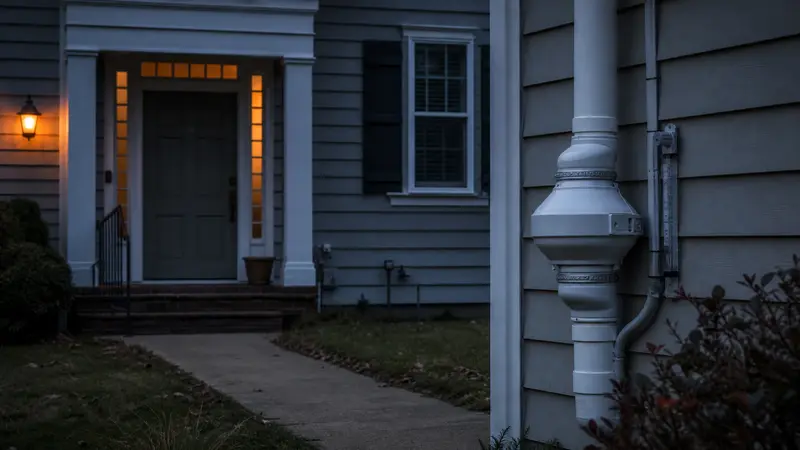
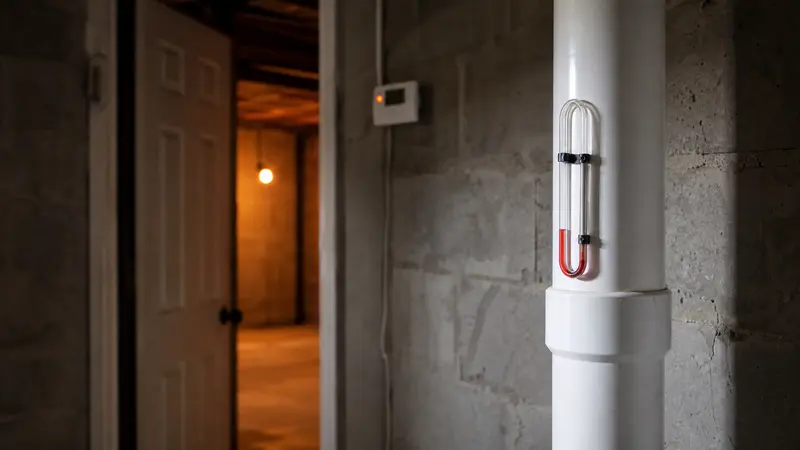
- Leave a radon mitigation system running if the home has one. Its fan is part of how the house normally works.
The rules: what to avoid
- Whole-house fans and window fans. These pull in large amounts of outside air.
- Opening windows "just for a minute." Even short openings can change a reading, especially near the device.
- Fireplaces and wood stoves, unless they are your normal main heat source. They draw in air and can affect pressure inside the house.
- Long runs of large exhaust fans. Short use of bathroom or kitchen fans is fine.
- Major work on the house. Avoid opening up walls, doing foundation work or replacing windows and doors during a test.
Weather limits
The EPA advises against running a short-term test of 2 to 3 days during severe storms or periods of unusually high winds. Big swings in air pressure can push radon levels up or down for hours. If a major storm is coming, a tester may extend the test or reschedule it.
Closed-house conditions in a home sale
During a real-estate test, the seller usually controls the house. The seller and any occupants are asked to follow closed-house rules and not to disturb the device. Many purchase contracts and testing forms in Pennsylvania include a note about this.
A professional continuous radon monitor helps here. It logs hourly readings, and many models record motion, temperature, humidity and air pressure. A sharp drop in radon for several hours can be a sign a window was opened. If the data shows the test was compromised, it may need to be repeated.
What about long-term tests?
Closed-house conditions are not required for long-term tests, which run more than 90 days. You live normally, opening windows as you usually would. That is part of why long-term tests better reflect your yearly average.
Tips to make it easy
- Put a note on each door: "Radon test in progress. Please keep closed."
- Tell everyone in the house, including kids and pet sitters.
- Schedule the test when you do not expect contractors or big deliveries.
- Set your thermostat where you usually keep it and leave it.
When results still differ
Even with perfect closed-house conditions, two tests can give different numbers. Weather, season, device type and placement all play a role. Learn more about why two radon tests give different results.
Key takeaways
- Close windows and outside doors 12 hours before and during short tests under four days.
- Normal entry and exit is fine.
- Run heat or AC as usual; avoid fans that bring in outside air.
- Avoid short tests during severe storms or very high winds.
- Long-term tests do not need closed-house conditions.
Frequently Asked Questions
Can I open the garage door during a radon test?
Normal use of an attached garage door is fine. Do not leave it open for long periods, and keep the door between the garage and the house closed.
Can I run my dryer during the test?
Yes, normal use is fine. A vented dryer does exhaust some air, but ordinary laundry is part of how the house normally runs.
What if a window was opened by mistake?
Tell your tester. A continuous monitor may show the dip in the data, and the test may need to run longer or start over.
Get the setup handled for you
When you book radon testing in York, PA, we send clear closed-house instructions before we arrive. Call (717) 356-3035 any time for a same-day callback.